

Professional Help for New Home Upgrades: A 2026 Guide
Table of Contents
- When Professional Help Matters for New Home Upgrades
- High-ROI Home Upgrades for New Homeowners
- How to Find Licensed Contractors for Home Renovations
- DIY vs Professional Home Improvement: Making the Right Choice
- Budgeting for Professional Help and Upgrades
- Negotiating with Builders and Managing Warranty Coverage
- Common Mistakes to Avoid When Upgrading a New Home
- Conclusion
Last Updated: August 29, 2026
When Professional Help Matters for New Home Upgrades
Knowing when to hire a professional versus tackling a project yourself is the difference between a successful upgrade and a costly mistake. Many upgrades require specialized skills, permits, and tools that DIY enthusiasm alone won't solve.
Professional help becomes essential when structural changes, electrical work, plumbing modifications, or HVAC improvements are involved. These systems affect your home's safety, resale value, and warranty coverage. A poorly installed fixture or incorrectly configured system can void your builder's warranty and create liabilities that insurance won't cover (naic.org).
At Crestpoint Home, we work with homeowners who want to elevate their spaces thoughtfully. The question isn't whether to upgrade, it's how to upgrade strategically.
High-ROI Home Upgrades for New Homeowners
Not all upgrades deliver equal returns. The most effective strategy combines high-ROI upgrades with personal preferences, invest in what sells, then personalize what you live with.
Kitchen and Bathroom Fixtures
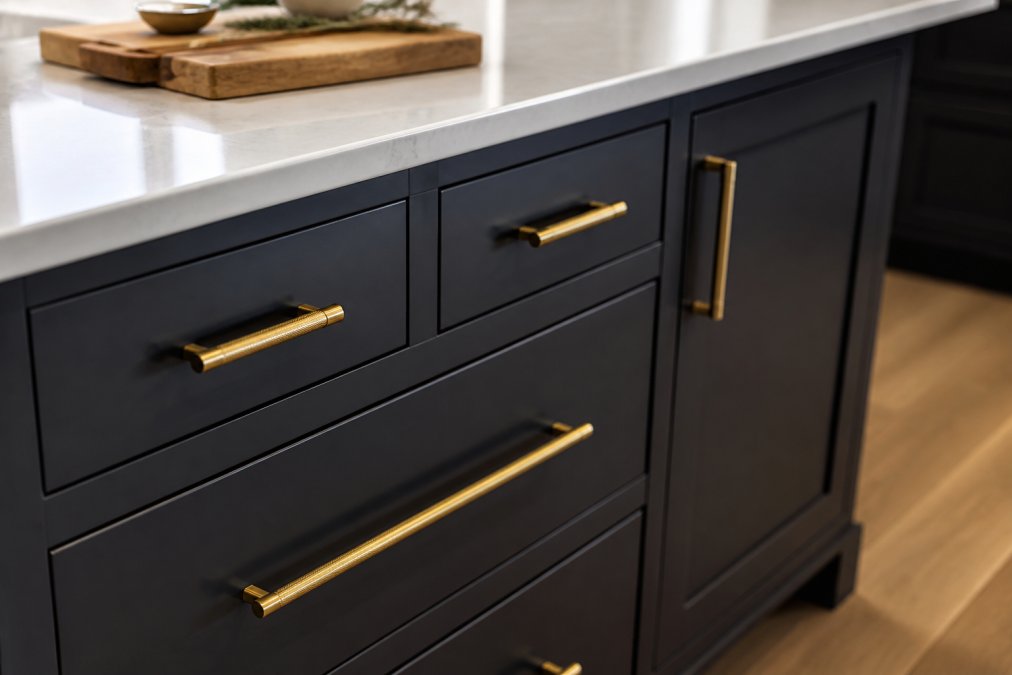
Kitchen and bathroom upgrades consistently rank among the highest-ROI home improvements. These spaces see daily use and directly influence buyer perception. Builder-grade materials use thinner metals, lower-quality seals, and components designed for cost efficiency rather than longevity. Premium fixtures feature better water pressure regulation, quieter operation, and finishes that resist tarnishing.
Start with high-visibility fixtures: faucets, showerheads, and lighting. A quality kitchen faucet with a pull-down spray head creates immediate visual impact and functions more reliably than builder-grade alternatives. Similarly, bathroom fixtures with spa-like features appeal to buyers and enhance daily comfort.
Installation requires a plumber for water line connections and possibly an electrician for heated components. Professional installation is minimal compared to the expense of fixing water damage from improper installation.
Lighting and Electrical Enhancements
Lighting transforms how a space feels and functions. Builder-grade fixtures are often basic and undersized for the room. Upgrading to quality lighting, including pendant lights, recessed fixtures, and dimming systems, creates layers of illumination that adapt to different activities.
Smart lighting and electrical upgrades align with modern buyer expectations. Smart home automation, including app-controlled lighting and voice-activated systems, appeals to tech-forward buyers. However, these upgrades require proper electrical infrastructure and a licensed electrician. Electrical work is governed by building codes, and improper installation creates fire hazards and insurance complications.
Modern lighting fixtures like the Nordic Minimalist Cream Pendant Lights ($380.98) provide contemporary aesthetics with energy-efficient LED technology while requiring proper electrical installation for safety and code compliance.

HVAC and Energy Efficiency Upgrades
Energy efficiency improvements appeal to modern homebuyers and reduce long-term operating costs. HVAC system upgrades, improved insulation, and smart thermostats all contribute to lower utility bills and increased comfort.
HVAC work requires professional installation. Improper refrigerant handling, inadequate ductwork sizing, or incorrect thermostat calibration reduces efficiency and damages the system. A qualified HVAC technician ensures peak efficiency and maintains manufacturer warranties. Energy-efficient upgrades also qualify for certain tax credits and rebates that a professional installer can help you navigate.
How to Find Licensed Contractors for Home Renovations
Finding the right contractor is as important as choosing the right upgrades. A skilled, licensed professional protects your investment and ensures work meets building codes and warranty requirements.
Verifying Credentials and Insurance
Always verify that a contractor holds the required licenses for their trade. Licensing requirements vary by state and trade, electricians, plumbers, and HVAC technicians typically require separate licenses. A licensed contractor has passed examinations demonstrating competency and maintains compliance with ongoing education and insurance requirements.
Request proof of licensing before hiring. Most states maintain online license verification systems where you can confirm current, active status.
Insurance is equally critical. General liability insurance protects you if the contractor damages your property. Workers' compensation insurance protects workers and shields you from liability if someone is injured on your property. Ask for certificates of insurance and verify coverage limits are adequate for the scope of work.
Getting Multiple Quotes and References
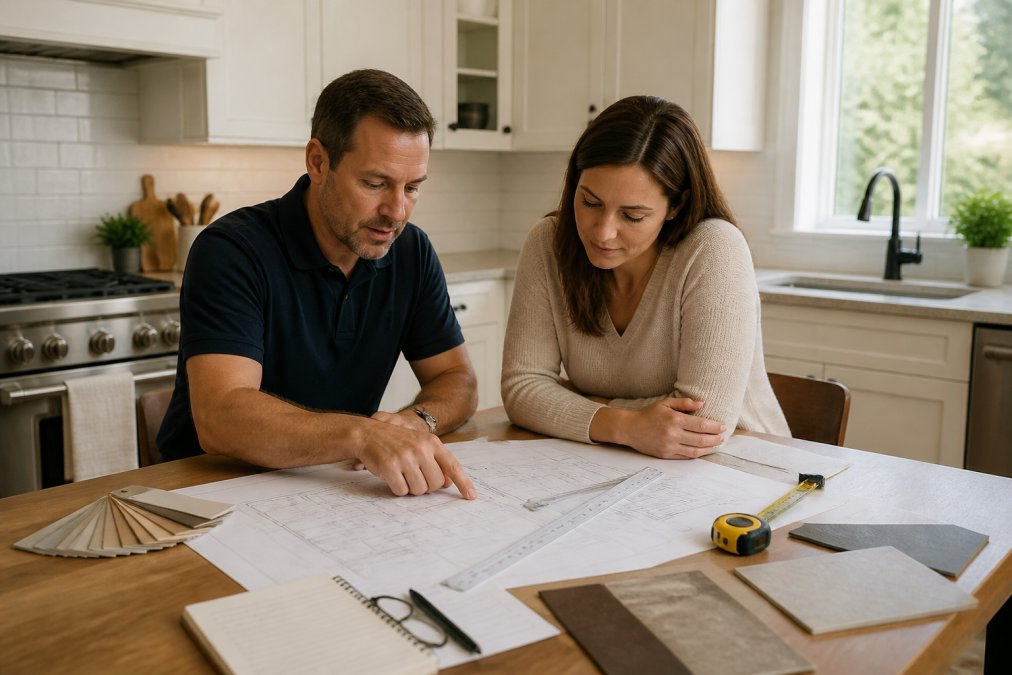
Obtain written quotes from at least three contractors. Quotes should itemize labor, materials, timeline, and warranty coverage. Vague quotes are red flags.
References reveal how contractors handle real projects and communicate with clients. Ask specifically about timeline adherence, how the contractor handled unexpected issues, and post-project communication. Contact at least two recent clients directly.
During the quote process, discuss your purchase agreement terms and any builder-provided warranties. Some upgrades may affect warranty coverage, and a knowledgeable contractor can guide you through these implications before work begins.
DIY vs Professional Home Improvement: Making the Right Choice
The decision between DIY and hiring a professional depends on project complexity, your skill level, and the stakes if something goes wrong.
Projects Safe for DIY Work
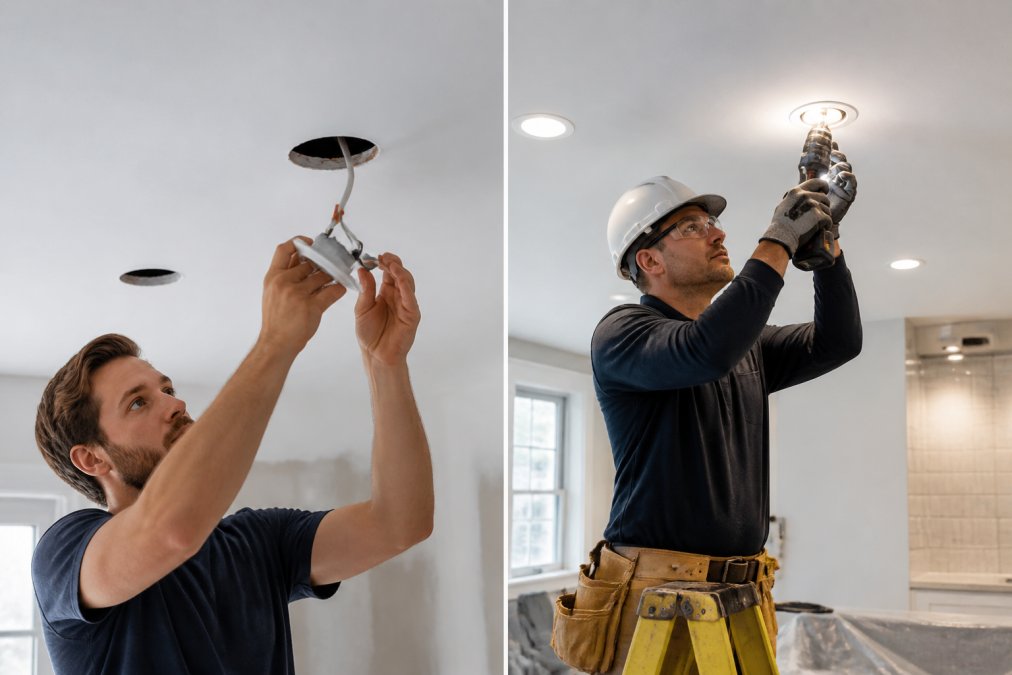
Cosmetic upgrades with low risk of damage are appropriate for DIY work: painting, installing crown molding, hanging fixtures on drywall, and simple cabinetry adjustments. Accent walls, updated hardware, and decorative lighting upgrades are confidence-building projects that deliver visible results while saving labor costs.
When to Call a Professional
Any project involving structural changes, electrical systems, plumbing, HVAC, or gas lines requires professional help. These systems are governed by building codes, and improper installation creates safety hazards and voids warranties.
Structural upgrades, removing walls, or modifying load-bearing elements require engineering assessment and permit approval. Plumbing and electrical work are similarly non-negotiable, water damage from improper plumbing can cost tens of thousands to remediate, and electrical fires from incorrect wiring are catastrophic. HVAC efficiency depends on proper sizing, ductwork design, and refrigerant handling; DIY installation almost always results in reduced efficiency.
Budgeting for Professional Help and Upgrades
Establishing a realistic budget prevents scope creep and ensures you prioritize high-impact improvements. New construction upgrades typically range from $5,000 for targeted fixture improvements to $50,000+ for comprehensive kitchen and bathroom renovations.
Break your budget into phases. Year one might focus on high-ROI upgrades like kitchen and bathroom fixtures. Year two might address HVAC efficiency or smart home automation. This phased approach spreads costs and allows you to assess results before committing to additional upgrades.
Professional installation costs vary by trade and complexity. Always obtain written quotes that specify hourly rates or fixed prices.
Factor in material costs plus labor, plus a contingency buffer (typically 10-15%) for unexpected issues. Hidden structural problems, outdated wiring, or plumbing complications often emerge during renovation work.
Negotiating with Builders and Managing Warranty Coverage
Your purchase agreement defines what the builder warrants and for how long. Most builders provide one-year warranties on construction defects and workmanship (the FTC). Understanding these terms before upgrading is critical, some upgrades may affect warranty coverage.
Discuss upgrade plans with your builder before closing. Some builders offer upgrade options through their design center at specific price points, maintaining warranty coverage because they're installed by builder-approved contractors. Upgrades installed after closing by outside contractors may not be covered under the original warranty.
If you upgrade after closing, document everything: contractor credentials, materials used, installation dates, and warranty information. Negotiate with builders about which upgrades they'll handle versus which you'll manage independently.
Common Mistakes to Avoid When Upgrading a New Home
Rushing into upgrades before understanding your home's actual systems is a common error. Spend time learning how your HVAC system, electrical panel, plumbing layout, and structural elements work.
Choosing aesthetics over functionality is another frequent mistake. Prioritize fixtures that function well and happen to look good, rather than prioritizing appearance alone.
Ignoring the pre-drywall inspection window is costly. Once walls are closed, adding outlets or repositioning plumbing becomes exponentially more expensive.
Underestimating complexity is widespread among new homeowners. What appears straightforward in a design center often involves complications once installation begins. Professional contractors anticipate these issues; DIY enthusiasts often don't.
Failing to verify contractor credentials before hiring creates liability and quality risks. Licensed, insured professionals protect your investment and ensure work meets standards.
Not documenting upgrades and warranties creates problems at resale. Keep records of all work performed, materials installed, contractor information, and warranty details.
Upgrading a new home strategically combines high-ROI improvements with professional expertise where it genuinely matters. The goal isn't to upgrade everything, it's to upgrade thoughtfully. At Crestpoint Home, we help homeowners select high-performance fixtures and systems that enhance both daily living and long-term value. Our curated collection of kitchen, bathroom, and lighting upgrades is designed for homeowners who want reliability and modern performance. Explore our collection of premium fixtures and work with our support team to find upgrades that match your vision and budget. SHOP THE COLLECTION
Frequently Asked Questions
What upgrades should I prioritize in a new build?
Focus on upgrades that increase resale value and address builder-grade limitations. Kitchen and bathroom fixtures, lighting and electrical enhancements, and energy efficiency improvements typically deliver the strongest return on investment. Structural upgrades and high-quality cabinetry also matter more than cosmetic finishes. Prioritize changes made during the construction phase, they're cheaper and easier to implement than post-closing modifications. Work with your builder's design center to understand which customizations preserve warranty coverage.
How do I find reliable contractors for home upgrades?
Verify that contractors hold valid state licenses and carry liability insurance and workers' compensation coverage. Ask for references from recent projects and check online reviews on multiple platforms. Get at least three written quotes that itemize labor, materials, and timeline. Interview contractors about their experience with your specific upgrade type, kitchen renovations, electrical work, and HVAC installation each require specialized expertise. Request proof of bonding and ask about their warranty on workmanship.
What's the difference between DIY and professional installation for home upgrades?
DIY work suits cosmetic projects like painting, installing shelving, or replacing cabinet hardware, tasks with low risk of structural or safety issues. Professional installation is essential for electrical work, plumbing, HVAC systems, and structural modifications, which require permits and licensed expertise. Professional work also protects your home's warranty and resale value. Many upgrades like premium lighting fixtures and smart home automation benefit from professional installation to ensure proper function and code compliance.
How much should I budget for professional home upgrades?
Budget 10-15% of your home's purchase price for meaningful upgrades over the first few years. High-ROI improvements like kitchen and bathroom upgrades typically cost $5,000-$25,000 depending on scope. Lighting and electrical enhancements range from $2,000-$8,000. Get detailed quotes from contractors that separate material costs from labor. Factor in a 10-15% contingency for unexpected issues discovered during work, especially in older construction or when addressing hidden costs of builder-grade materials.
This article was written using GrandRanker