
How to Choose Durable Kitchen Appliances: A 2026 Guide
Table of Contents
- What Makes a Kitchen Appliance Durable
- Evaluating Reliability Ratings and Component Quality
- Average Lifespan of Kitchen Appliances by Type
- Understanding Total Cost of Ownership
- How to Maintain Kitchen Appliances for Longevity
- Most Reliable Kitchen Appliance Brands and What Sets Them Apart
- Key Factors When Choosing Durable Kitchen Appliances
- Frequently Asked Questions
Last Updated: September 3, 2026
What Makes a Kitchen Appliance Durable
A durable kitchen appliance is built to withstand years of regular use without significant performance degradation or component failure. Durability depends on three interconnected factors: the quality of internal components, the materials used in construction, and how well the appliance is maintained over time.
Most homeowners conflate durability with brand prestige. That's a mistake. A premium price tag doesn't guarantee longevity. What actually matters is component quality, engineering design, and repairability. An appliance engineered with easily replaceable parts and readily available spare components will outlast a sealed unit from a luxury brand every time.
The best way to evaluate durability is to look beyond marketing claims. Examine the materials used in high-wear areas: compressors in refrigerators, heating elements in ovens, motor bearings in dishwashers. Stainless steel, cast iron, and brushless motors indicate a manufacturer's commitment to longevity. Plastic components in critical areas signal a race to the bottom on production costs.
Crestpoint Home focuses on sourcing appliances and cooking tools designed with this principle in mind. High-performance kitchen equipment should handle daily use without degrading. This means understanding what separates a genuinely durable appliance from one designed for planned obsolescence.
Evaluating Reliability Ratings and Component Quality
Reliability ratings provide concrete data about how often an appliance fails and how expensive repairs become. Unlike brand reputation, which shifts with marketing budgets, reliability data tracks real-world performance across thousands of units.
The most useful reliability metric is the repair frequency rate: what percentage of units require service within a given timeframe. An appliance with a 15% failure rate within five years means one in seven units will need repair (peer-reviewed research). An appliance with a 5% failure rate is significantly more reliable. These numbers matter because repair costs often exceed $300-500 per service call, plus parts.
Component quality directly determines reliability. A refrigerator with an inverter-driven compressor (which adjusts cooling intensity rather than cycling on and off) runs cooler, uses less energy, and fails less frequently than a traditional compressor. A dishwasher with a stainless steel tub resists corrosion and lasts longer than one with a plastic interior. These engineering choices aren't visible in product photos, but they show up in repair data.
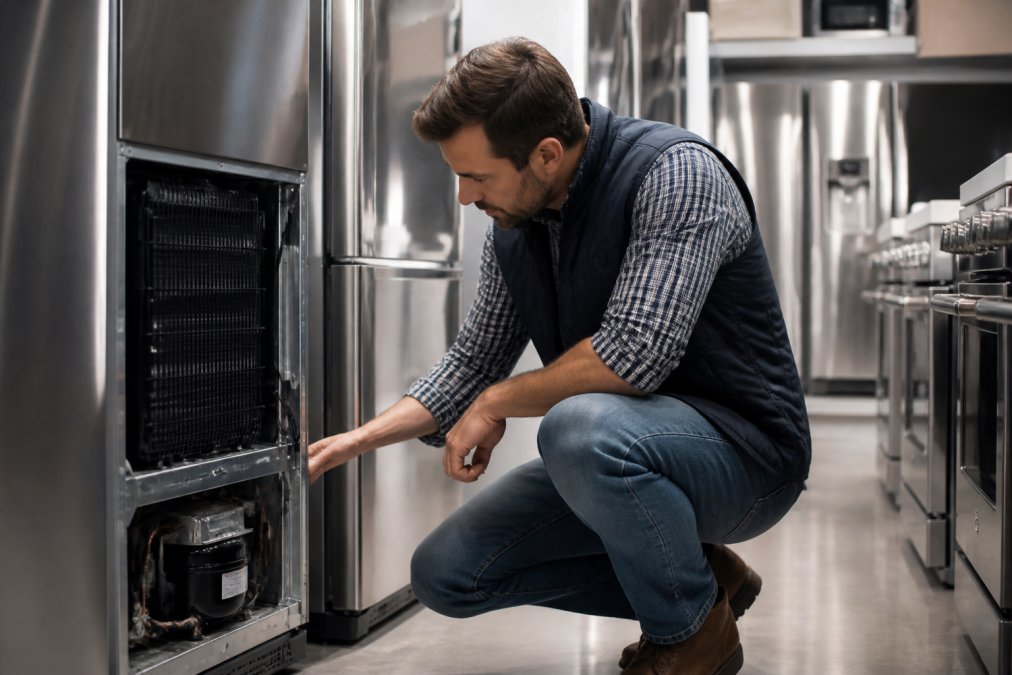
When evaluating an appliance, look at the materials used in parts that contact water, heat, or food regularly. Stainless steel, ceramic, and cast iron resist degradation. Plastic components degrade faster, especially when exposed to heat cycles or moisture. Check whether critical parts like heating elements, seals, and gaskets are available as replacements. If a manufacturer doesn't sell spare parts separately, repair costs become prohibitive.
The Energy Star certification provides another reliability signal. Appliances efficient enough to earn Energy Star certification are typically built to higher standards because efficiency requires better insulation, more precise manufacturing, and higher-quality components. Energy Star appliances cost more upfront but deliver better component reliability and lower operating costs.
Average Lifespan of Kitchen Appliances by Type
Different appliance types have different expected lifespans based on usage intensity and component complexity. Understanding these baselines helps you prioritize budget toward the appliances that matter most.
Refrigerators typically last 10-15 years with proper maintenance (energy.gov). The compressor and condenser fan are the most common failure points. A well-maintained unit with a quality compressor can exceed 15 years. Budget replacement or repair around year 8-10 to avoid unexpected breakdowns.
Dishwashers average 7-10 years before significant repairs become necessary (energy.gov). The spray arm, pump, and door latch fail most frequently. Stainless steel interiors extend lifespan by resisting corrosion. Plastic tubs corrode faster, especially in hard water areas.
Electric ranges and ovens last 13-15 years. Gas ranges often exceed 15 years because they have fewer electronic components. The heating element is the most common failure point in electric ovens. Convection fans in modern ovens add complexity and potential failure points.
Microwaves have the shortest lifespan: 5-8 years on average. The magnetron (the component that generates microwave energy) degrades predictably. Once a microwave stops heating effectively, replacement is typically cheaper than repair.
Garbage disposals last 8-12 years depending on use. Continuous-feed models fail faster than batch-feed models because they run more frequently. Hard items and fibrous materials damage the grinding chamber.
These timelines assume regular maintenance and normal use. Appliances in households with hard water, frequent heavy use, or poor maintenance fail earlier. Conversely, appliances in low-use environments can exceed these timelines significantly.
Understanding Total Cost of Ownership
Purchase price tells only part of the story. Total cost of ownership includes the appliance price, energy consumption over its lifespan, repair costs, and replacement timing. A $1,200 refrigerator that runs 15 years with one repair costs less over time than a $800 model that fails at year 8 and requires multiple repairs.
Calculate energy costs by checking the annual energy consumption listed on the Energy Guide label. A refrigerator consuming 600 kWh annually costs roughly $90-120 per year in electricity (depending on local rates). Over 15 years, that's $1,350-1,800 in operating costs. An Energy Star model consuming 450 kWh annually saves $225-300 over the same period. That savings often justifies a higher purchase price.
Repair costs compound over time. A $500 compressor replacement at year 7 plus a $300 door seal repair at year 10 adds $800 to the true cost of ownership. An appliance with a strong reliability record avoids these unexpected expenses.
Factor in replacement timing. An appliance that fails at year 8 forces an emergency purchase, often at full retail price without time to research or compare options. An appliance lasting 15 years lets you plan replacement during sales periods or bundle purchases with other kitchen upgrades.
How to Maintain Kitchen Appliances for Longevity
Maintenance directly extends appliance lifespan and prevents expensive failures. Most homeowners neglect maintenance until something breaks. Preventive care is far cheaper than reactive repair.
For refrigerators, clean the condenser coils every 6-12 months. Dust accumulation forces the compressor to work harder, reducing efficiency and shortening lifespan. Vacuum coils on the back or underneath the unit. Replace water filters every 6 months if your model has an ice maker or water dispenser.
For dishwashers, run an empty cycle with a cup of white vinegar monthly to dissolve mineral buildup. Check and clean the spray arm holes quarterly. Wipe the door seal regularly to prevent mold and mildew. These simple steps prevent pump failures and keep the unit running efficiently.
For ovens and ranges, wipe spills immediately after the unit cools. Buildup on heating elements reduces efficiency and can cause element failure. For gas ranges, ensure burner ports stay clear. A clogged port forces uneven heating and can damage the burner assembly.
For garbage disposals, run cold water for 15 seconds after each use to flush debris. Never force hard items or fibrous materials down the drain. The grinding chamber isn't designed for bones, fruit pits, or celery. These items jam the rotor and damage the motor.
For all appliances, keep the area around and beneath them clean and dry. Moisture accelerates corrosion. Adequate ventilation prevents heat buildup that stresses components. Check door seals and gaskets annually. Replace them if they show cracks or loss of flexibility.
Most Reliable Kitchen Appliance Brands and What Sets Them Apart
Reliability varies significantly between manufacturers. Brands that prioritize component quality, engineering robustness, and spare parts availability consistently outperform others.
Brands with strong reliability records typically share common characteristics: they use quality materials in high-wear areas, they design for repairability rather than planned obsolescence, and they maintain strong spare parts networks. These features cost more to implement but result in appliances that last longer and cost less to repair.
When evaluating brands, look at the specific engineering choices. Does the refrigerator use an inverter compressor or a traditional model? Does the dishwasher have a stainless steel or plastic interior? Are replacement parts available for purchase individually? These details predict real-world durability better than brand prestige.
Crestpoint Home curates appliances and cooking tools from manufacturers committed to durability and performance. The Geek Chef Electric Air Fryer Oven exemplifies this approach: it features a 1700W motor designed for heavy use, multiple shelf levels for flexibility, and a compact footprint that suits various kitchen layouts. Quality construction and straightforward design mean fewer components to fail.

Similarly, the PowerXL 7QT Air Fryer Maxx Classic delivers reliability through simplicity and component quality. The extra-hot air fry technology depends on a strong heating element and motor. Preset functions reduce user error, which extends the unit's lifespan. These appliances prioritize durability over unnecessary features.
The Kitchen HQ 7-in-1 Air Fryer Grill demonstrates how versatility doesn't require complexity. Multiple functions in a single unit reduce the number of appliances in your kitchen, lowering total maintenance burden. The 6.5-quart capacity handles family-sized portions without stressing the motor.
What separates these reliable options from cheaper alternatives is engineering discipline. Manufacturers that build durable appliances resist the temptation to cut corners on motors, heating elements, and seals. They design for repairability, knowing that customers who can afford repairs will keep using the appliance longer.
Key Factors When Choosing Durable Kitchen Appliances
Selecting durable kitchen appliances requires evaluating multiple factors beyond price and appearance. A systematic approach prevents costly mistakes.
Start with your actual use case. A single person's cooking patterns differ dramatically from a family's. A household that uses the oven five times weekly needs a more strong unit than one that bakes occasionally. Match appliance capacity and power to your real usage, not aspirational usage. An oversized appliance wastes energy. An undersized one fails faster from overuse.
Measure your kitchen space precisely. Counter-depth refrigerators fit flush with cabinetry but have less interior volume. Standard-depth models protrude further but hold more. Know your exact measurements before shopping. An appliance that doesn't fit your space is useless regardless of quality.
Evaluate the finish you'll maintain long-term. Stainless steel resists fingerprints and corrosion but requires regular cleaning to look clean. Black stainless steel hides fingerprints better but shows dust more. Painted finishes are more affordable but chip and scratch. Choose a finish you'll actually maintain, not one that looks perfect in showrooms.
Check the warranty coverage carefully. A five-year compressor warranty matters more than a one-year parts warranty. Some manufacturers offer extended warranties that cover parts and labor. Others limit coverage to parts only, leaving you responsible for service calls. Read the warranty terms, not just the duration.
Research repair availability in your area. An excellent appliance is worthless if no service technicians work on that brand locally. Call a few appliance repair shops and ask which brands they service most frequently and which they recommend. Local repair network matters more than you'd expect.
Consider energy efficiency ratings. The Energy Guide label shows annual operating costs. Compare this across models in the same category. The difference often justifies a higher purchase price, especially for appliances that run frequently like refrigerators.
Choosing durable kitchen appliances requires understanding what actually drives longevity: component quality, engineering design, and maintenance. At Crestpoint Home, we've curated a selection of high-performance kitchen appliances designed for reliability and lasting quality. From the Emeril Lagasse Everyday 360 Air Fryer Oven with its five heating elements and 930 cubic inch capacity to the Salton Digital Air Fryer XL with rapid air frying technology, our collection prioritizes durability through thoughtful engineering. Explore our collection today and invest in kitchen appliances built to perform for years to come.

Frequently Asked Questions
Which kitchen appliance brand lasts the longest?
Durability depends on the appliance type and maintenance habits. Brands known for longevity typically use high-grade materials, offer strong warranty coverage, and maintain robust service networks. When selecting durable kitchen appliances, prioritize brands with proven track records for reliability ratings, readily available spare parts, and responsive customer support. Crestpoint Home curates appliances built for lasting performance, like the Geek Chef Electric Air Fryer Oven and Emeril Lagasse countertop models, which combine component quality with user-friendly design.
What is the 50/50 rule for appliances?
The 50/50 rule suggests that if an appliance repair costs more than 50% of the replacement price, you should replace it rather than repair it. This principle helps homeowners make cost-effective decisions about aging appliances. However, this rule applies mainly to older units nearing end-of-life. For durable kitchen appliances with good warranty coverage and service availability, repairs are often worthwhile. Understanding your appliance's total cost of ownership and remaining lifespan helps you decide whether repair or replacement makes financial sense.
How do I balance aesthetic design with appliance durability?
Durability and design are not mutually exclusive. Look for appliances with stainless steel finishes that resist fingerprints and corrosion while maintaining a modern appearance. Prioritize functional features over trendy designs that may feel dated quickly. Evaluate finish durability through user reviews and warranty terms. Choose timeless styles over fashion-forward aesthetics. Crestpoint Home's carefully selected appliances combine sleek, contemporary design with proven reliability, ensuring your kitchen investment remains both functional and visually appealing for years.
What should I look for in warranty coverage when buying durable kitchen appliances?
Strong warranty coverage is a key indicator of durability. Look for appliances with at least a 1-year manufacturer's warranty on parts and labor, with some premium models offering 3-5 years. Check whether the warranty covers both parts and labor, and verify the manufacturer's service network availability in your area. Extended warranty options can protect your investment. Ensure spare parts are readily available and the brand offers responsive customer support. Crestpoint Home's team can guide you through warranty details and service availability for any appliance you're considering.
How often should I perform maintenance on kitchen appliances to extend their lifespan?
A regular maintenance schedule significantly extends appliance longevity. Most appliances benefit from monthly or quarterly care: clean filters, check seals, and remove debris. Refrigerators need coil cleaning every 6 months; dishwashers require filter cleaning monthly. Ovens should be cleaned as needed to prevent buildup. Consult your appliance's manual for specific maintenance intervals. Proper installation compatibility and correct usage also prevent premature wear. Following these maintenance practices can add years to your appliance's functional life and help you avoid costly repairs.
Should I buy appliances as a package or separately?
Appliance packages offer coordinated aesthetics and sometimes modest discounts, but buying separately allows you to prioritize durability and features for each unit based on your specific needs. Packages work well if all appliances meet your reliability standards. Separate purchases let you invest more in high-use items like refrigerators while choosing budget-friendly options for less-critical appliances. Consider your kitchen layout, renovation timeline, and budget allocation. Crestpoint Home's team can help you build a customized appliance selection that balances your aesthetic goals with durability requirements and total cost of ownership.
This article was written using GrandRanker