

Simple Return Policy for Home Appliances
Table of Contents
- Understanding Return Policy for Home Appliances
- Standard Return Windows and Timeframes
- Appliance Return Policy Restocking Fees Explained
- Major vs. Small Appliance Return Differences
- Non-Returnable Kitchen Appliances and Exceptions
- Documentation and Proof of Purchase Requirements
- Return Methods and Refund Processing
- Conclusion
Last Updated: August 25, 2026
Understanding Return Policy for Home Appliances
A simple return policy for home appliances establishes clear guidelines for how and when customers can return products after purchase. Return rules vary dramatically between retailers, and what works for a $50 blender differs entirely from returning a $3,000 refrigerator.
Crestpoint Home recognizes that appliance purchases represent significant investments in your home. Our return policies are designed to protect your confidence in every purchase while maintaining fairness for all customers. Whether you're upgrading your kitchen with premium fixtures or investing in wellness technology like our ECHO Refresh Hydrogen Inhalation Machine, knowing your options matters.

The complexity around appliance returns stems from size and shipping costs, manufacturer involvement, and whether items are considered "final sale" merchandise. Small appliances typically follow standard return windows, while major appliances involve freight shipping, delivery inspections, and restocking fees that can significantly reduce your refund.
Standard Return Windows and Timeframes
Most retailers offer a 30-day return window for small appliances, though premium retailers sometimes extend this to 60 or 90 days (the FTC). The clock typically starts on the purchase date, not the delivery date, so you need to act quickly once your item arrives.
For a simple return policy for home appliances to be effective, the return window needs to be clear and measurable. A 30-day window means you have 30 calendar days from purchase to initiate a return. This is why checking the purchase date on your receipt matters immediately.
Some retailers distinguish between product categories. Kitchen small appliances might have a standard 30-day return window, while specialty items or clearance merchandise might be final sale only. Bathroom fixtures and premium products sometimes offer extended windows of 60 days, recognizing that customers need time to test performance in their homes.
Major appliances typically offer 30 to 60 days but require items to be in "like-new" condition with original packaging. Damage during your use, even minor wear, can disqualify you from a full refund.
Appliance Return Policy Restocking Fees Explained
Restocking fees are charges retailers deduct from your refund when you return an item. These fees exist because the retailer must restock, repackage, and potentially resell the item.
For small appliances, restocking fees typically range from 10% to 20% of the purchase price, though some retailers waive fees entirely if the item is unopened and in original packaging (the FTC). Once opened, even if unused, the restocking fee kicks in.
Major appliances often carry higher restocking fees, sometimes 15% to 25%, because logistics costs are significantly higher (the FTC). A returned refrigerator requires special handling, freight shipping, and inspection before it can be returned to inventory. Additionally, major appliances in "used" condition often cannot be returned at all within standard policies.
Kitchen appliances that are specialty items or premium brands sometimes carry restocking fees only if the item shows signs of use. If you return a high-end coffee maker unopened within the return window, no fee. If you've used it, expect a 15-20% deduction.
Restocking fees are deducted from your refund amount, not charged separately. If you paid $500 for an item and return it with a 20% restocking fee, your refund is $400.
Major vs. Small Appliance Return Differences
The divide between major and small appliances determines nearly everything about your return experience. Major appliances include refrigerators, ovens, dishwashers, washing machines, and dryers. Small appliances include blenders, coffee makers, toasters, and microwaves.
Small appliances follow relatively standard retail return policies. You can typically return them in-store, ship them back, or arrange pickup. Refunds process within 5 to 10 business days once the item is received and inspected.
Major appliances often cannot be returned through standard channels. Many retailers require that major appliances be returned through the manufacturer or a specialized return service. Some retailers simply don't accept returns on major appliances after delivery and installation, your only recourse is the manufacturer's warranty.
The reason for this distinction is practical: shipping a 200-pound refrigerator back to a warehouse is expensive and logistically complex. By limiting major appliance returns to unopened items or refusing returns altogether after delivery, retailers keep costs manageable.
For a simple return policy for home appliances to work at scale, retailers separate these categories explicitly. Your receipt or product page should clearly state whether an item is classified as major or small. If it's not clear, contact customer service before purchasing.
Non-Returnable Kitchen Appliances and Exceptions
Certain appliances are final sale and cannot be returned under any circumstances. These typically include clearance items, open-box merchandise, floor models, and items marked "as-is." Final sale items are already priced at a discount, and retailers cannot absorb the cost of returns on discounted inventory.
Clearance kitchen appliances are almost always final sale. If you see an item marked down 40% or more, check the fine print, it's likely non-returnable.
Open-box merchandise, items that have been returned or used as display units, is typically non-returnable or has a severely restricted return window. Open-box items are sold at a discount precisely because they carry this restriction.
Floor models and display units cannot be returned. These items have been handled by multiple customers and potentially used for demonstrations.
Specialty appliances like commercial-grade kitchen equipment or high-end ventilation systems sometimes have return restrictions based on the manufacturer's policy.
Exceptions exist for defective merchandise. If an appliance arrives damaged or fails to function, most retailers will accept a return or replacement even if it's marked final sale. The key is documenting the defect immediately upon delivery.
Documentation and Proof of Purchase Requirements
Proof of purchase is non-negotiable for any return. Retailers need documentation to verify that you actually bought the item, that you're within the return window, and that you're the original purchaser.
A receipt is the standard proof of purchase. If you bought in-store, keep the physical receipt. If you ordered online, save the email confirmation and order number. The receipt must show the purchase date, item description, price, and retailer name.
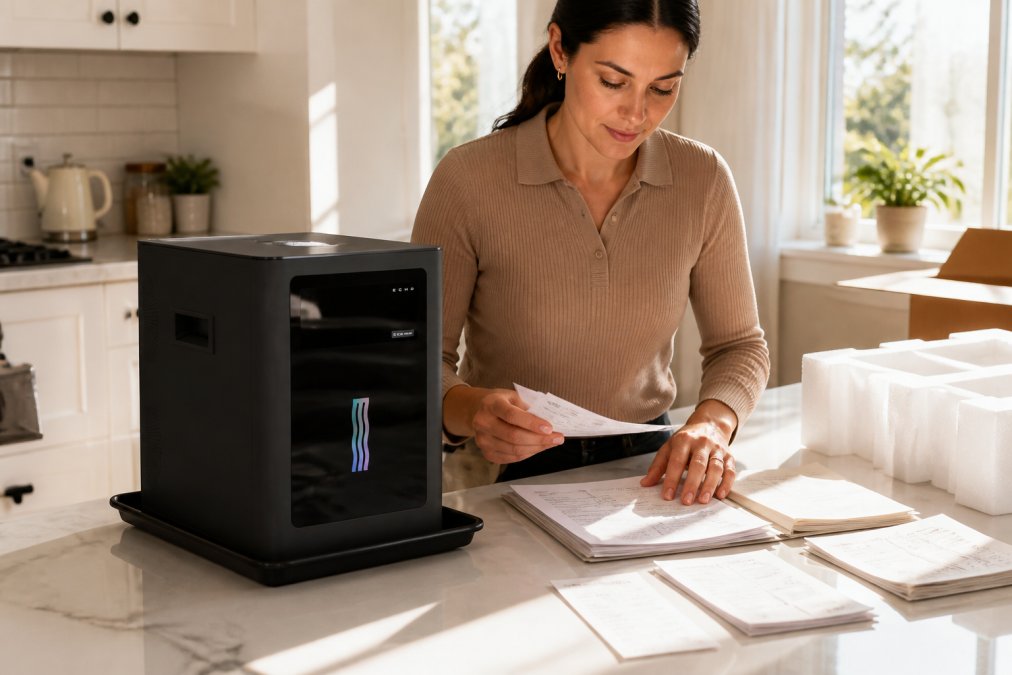
For items purchased with a credit or debit card, your bank or card statement serves as backup proof if you've lost the receipt.
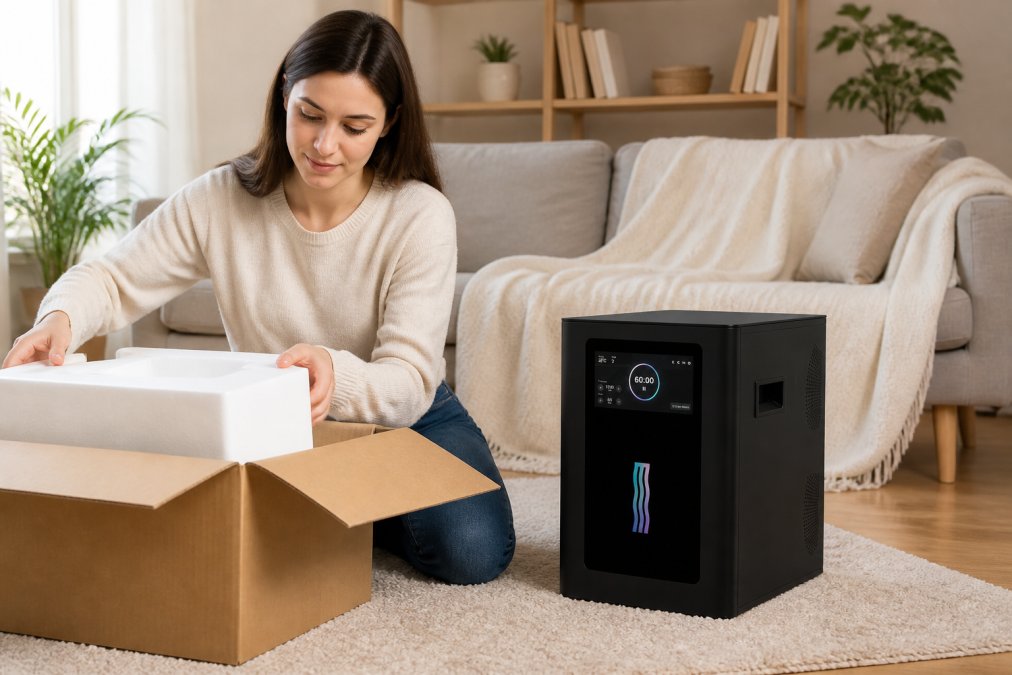
Original packaging is often required for small appliances, especially if you want to avoid restocking fees. Keep the original box, styrofoam, and all packing materials until you're certain you're keeping the item. For major appliances, original packaging is usually required for any return.
Warranty documentation matters if the item is defective. The manufacturer's warranty card proves that the appliance was not damaged by misuse and should be covered under warranty.
Return authorization numbers are sometimes required before you ship an item back. Many retailers will not accept a return without the authorization number printed on the package.
Keep all documentation related to your purchase for at least one year after buying an appliance.
Return Methods and Refund Processing
How you return an appliance depends on what you bought and where. Small appliances can typically be returned in multiple ways: in-store, by mail, or through a scheduled pickup. Major appliances usually require a retailer-arranged return or direct contact with the manufacturer.
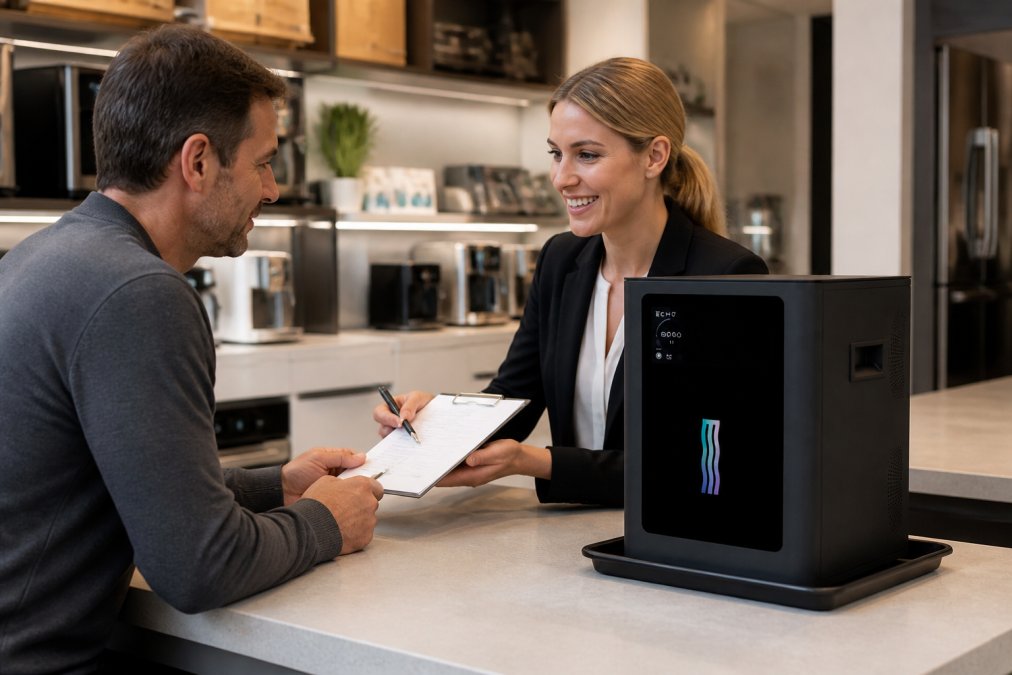
In-store returns are the fastest option if the retailer has physical locations. You bring the item in its original packaging, present your receipt, and complete the return immediately. Refunds are often issued on the spot to your original payment method, though some retailers process refunds within 5 business days.
Mail-in returns require you to pack the item, obtain a return label from the retailer, and ship it back. The retailer typically provides a prepaid return label for small appliances. Once the retailer receives and inspects the return, the refund is processed, usually within 5 to 10 business days. The entire process takes 2-3 weeks.
Scheduled pickups are offered by some retailers for items too large to ship easily. Pickup usually costs $10-50 depending on the retailer, and that cost may be deducted from your refund.
Refund processing timelines vary by retailer and payment method. If you paid by credit card, the refund appears as a credit within 5-10 business days. If you paid by debit card, the timeline is sometimes longer, up to 10-15 business days.
The refund amount depends on whether restocking fees apply. If the item qualifies for a full refund, you receive 100% of your purchase price. Return shipping costs are sometimes deducted if you paid for return shipping, though most retailers cover this for small appliances.
Manufacturer warranty versus retailer return policy is an important distinction. If an item is defective and outside the retailer's return window, the manufacturer's warranty may still cover it. Manufacturer warranties typically last 1 to 3 years and cover defects in materials or workmanship.
At Crestpoint Home, we stand behind our curated selection of home essentials with a 60-day money-back guarantee on products like our ECHO Revive Hydrogen Bath Water Machine and our Sanvia Smart Toilet, which includes a 3-year manufacturer warranty. Our dedicated support team handles returns through multiple channels, email, phone, or live chat, to ensure the process is straightforward and transparent.


Understanding a simple return policy for home appliances removes the anxiety from major purchases. Before you buy, locate the return policy on the retailer's website, note the return window and any conditions, and verify whether restocking fees apply to your specific item. Keep your receipt and original packaging. If you need to return something, contact customer service promptly and follow their specific instructions. Crestpoint Home makes this easier with clear policies, and customer service available to answer questions before and after your purchase. Get started with confidence knowing your investment is protected.
=== FAQ ANSWERS (audit these too, same rules) ===
Frequently Asked Questions
What is the typical return window for home appliances?
Most retailers offer a 30 to 60-day return window for home appliances, though this varies by retailer and appliance type. Major appliances like refrigerators often have shorter windows (30 days), while some small appliances may allow 60 days. Always check the specific return policy before purchase, as some final-sale items or clearance products may have no return option. Crestpoint Home's dedicated support team can clarify exact timelines for your purchase.
How do appliance return policy restocking fees affect my refund?
Restocking fees typically range from 10% to 25% of the purchase price and are deducted from your refund if you return an unopened appliance. These fees cover handling, inspection, and restocking costs. Some retailers waive restocking fees if the item is defective or damaged in transit. Always ask about restocking fee policies before buying, especially for high-value items. Check your receipt or contact customer service to understand the exact fee structure for your specific appliance.
Which kitchen appliances are typically non-returnable?
Non-returnable kitchen appliances often include custom-ordered or built-in units, items purchased on final sale, and appliances that have been used or installed. Some retailers also classify high-end specialty items as non-returnable once opened. Countertop appliances like blenders or coffee makers are usually returnable if unopened. Before purchasing premium fixtures or cooling systems, confirm the return eligibility with customer service to avoid surprises if your needs change.
What documentation do I need to return a home appliance?
You'll typically need proof of purchase (receipt or order confirmation), original packaging, and the appliance in unopened or like-new condition. For damaged items, document the damage with photos upon delivery and report it within 24 to 48 hours. Keep your return authorization number if one is issued. Some retailers require the original payment method for refunds. Crestpoint Home's customer service team can guide you through documentation requirements and help expedite the process.
This article was written using GrandRanker


